 歡迎來到北京博奧森生物技術(shù)有限公司網(wǎng)站!歡迎來到北京博奧森生物技術(shù)有限公司網(wǎng)站!
18611424007

截至目前,引用Bioss產(chǎn)品發(fā)表的文獻(xiàn)共37,522篇,總影響因子190,086.21分,發(fā)表在Nature, Science, Cell, Cancer Cell以及Immunity等頂刊的文獻(xiàn)共132篇,合作單位覆蓋了清華、北大、復(fù)旦、華盛頓大學(xué)、麻省理工學(xué)院、東京大學(xué)以及紐約大學(xué)等上百所國(guó)際研究機(jī)構(gòu)。
我們每月收集引用Bioss產(chǎn)品發(fā)表的文獻(xiàn)。若您在當(dāng)月已發(fā)表SCI文章,但未被我公司收集,請(qǐng)致電Bioss,我們將贈(zèng)予現(xiàn)金鼓勵(lì),金額標(biāo)準(zhǔn)請(qǐng)參考“發(fā)文章 領(lǐng)獎(jiǎng)金"活動(dòng)頁(yè)面。
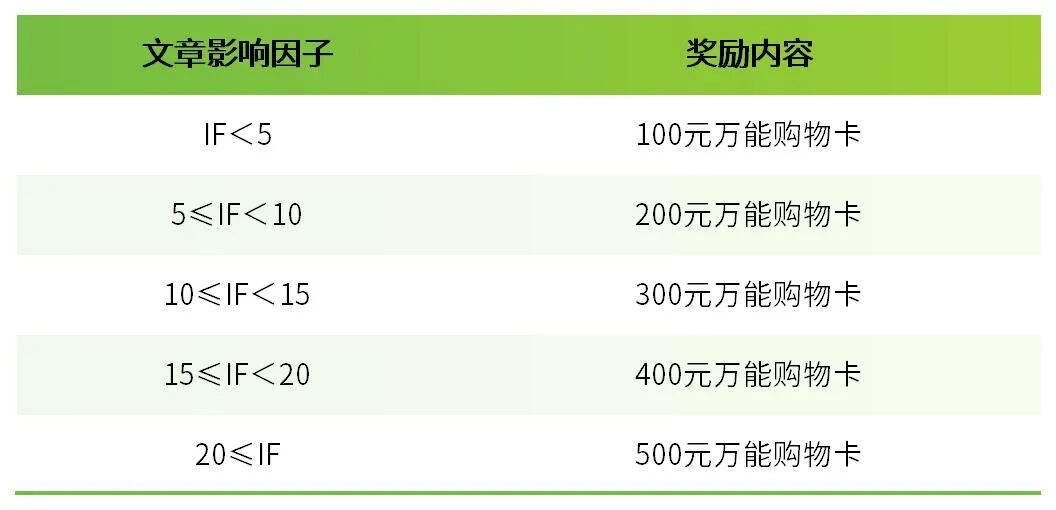
本文主要分享11篇IF≥16的文獻(xiàn),它們引用了Bioss產(chǎn)品,分別發(fā)表在分別發(fā)表在Signal Transduction and Targeted Therapy、CELL、Advanced Materials、Immunity、Exploration、Materials Today、Advanced Functional Materials、ACS Nano期刊上,讓我們一起學(xué)習(xí)吧。
文獻(xiàn)引用產(chǎn)品:
bs-6313R | 4 Hydroxynonenal Rabbit pAb | mIF
作者單位:

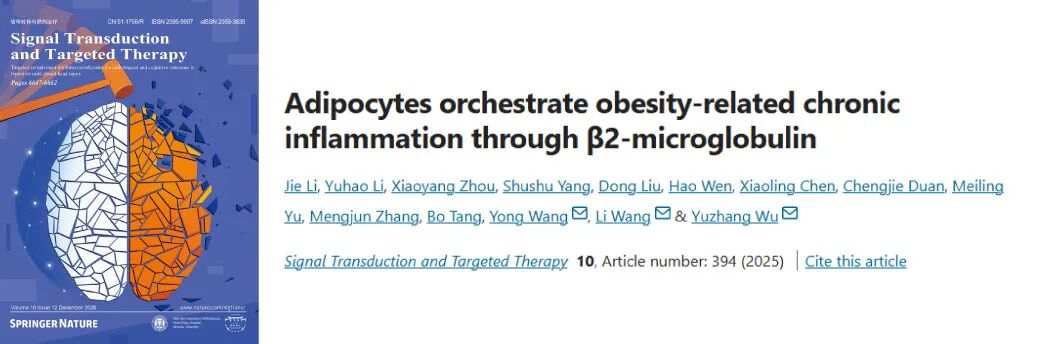
摘要:Chronic inflammation in adipose tissue is widely recognized as a pivotal link connecting obesity to a spectrum of related chronic diseases, including type 2 diabetes, non-alcoholic fatty liver disease, and cardiovascular disorders. In this pathogenic process, the dysregulated interaction between adipocytes and adipose-resident immune cells plays a critical regulatory role; however, the underlying mechanisms governing this abnormal interaction remain largely unknown. In this study, we showed that upregulated β2-microglobulin expression in hypertrophic adipocytes during obesity not only mediated the activation of adipose-resident CD8+ T cells in a cell contact-dependent manner but also facilitated iron overload and the ferroptosis of adipocytes, thereby promoting the M1 polarization of adipose tissue macrophages. Conversely, specific ablation of β2-microglobulin in adipocytes effectively suppressed the activation and accumulation of adipose-resident CD8+ T cells, as well as adipocyte ferroptosis and M1 polarization, ultimately preventing high-fat diet-induced obesity and its related inflammation and metabolic disorders. Additionally, adeno-associated virus-mediated adipose-targeted knockdown of β2-microglobulin has been demonstrated to therapeutically alleviate high-fat diet-induced obesity, as well as its related chronic inflammation and metabolic disorders. Furthermore, our bioinformatic analysis of human adipose transcriptome data revealed a strong correlation between adipose β2-microglobulin and obesity. More importantly, β2-microglobulin is significantly upregulated in adipocytes isolated from patients with obesity. Thus, our findings highlight the pivotal role of adipocytes in obesity-associated chronic inflammation and metabolic disorders via β2-microglobulin-dependent mechanisms.
Signal Transduction and
Targeted Therapy [IF=52.7]

文獻(xiàn)引用產(chǎn)品:
bsm-33039M | alpha Tubulin Mouse mAb | IF
作者單位:浙江大學(xué)醫(yī)學(xué)院附屬第四醫(yī)院
 摘要:Sperm motility and morphology are indispensable for sperm-egg interaction and successful fertilization. However, the RNA splicing mechanisms in an m6A-dependent manner regulating spermiogenesis-related genes remain poorly defined, and targeted therapy strategies to restore impaired sperm motility and morphology are lacking. In this study, we identify heterogeneous nuclear ribonucleoprotein R (hnRNPR) as a critical m6A-dependent splicing mediator. Pathogenic mutations in HNRNPR cause sperm motility decline, morphological abnormality, and male infertility in both humans and mice. Mechanistically, Hnrnpr mutation disrupts m6A-dependent splicing of Skap2 pre-mRNA, thus impairing cytoskeletal structure and mitochondrial organization in sperm. Consistently, specific knockout of Skap2 in male germ cells displays sperm abnormalities, which phenocopy those observed in humans and mice with Hnrnpr mutants, unveiling a functional hnRNPR-SKAP2 axis. Leveraging these insights, we developed a therapeutic strategy to restore sperm motility and morphology, relying on extracellular vesicle-mediated SKAP2 delivery to enter the efferent ductules of the testicles, which could promote sperm cytoskeletal remodeling and mitochondrial organization. Notably, the co-culture of extracellular vesicle SKAP2 with human and mouse sperms also significantly enhanced the sperm motility. Altogether, these findings identify hnRNPR as a pivotal regulator of m6A-mediated Skap2 splicing during spermiogenesis and highlight extracellular vesicle SKAP2 as a promising therapeutic target for poor sperm quality and male infertility.
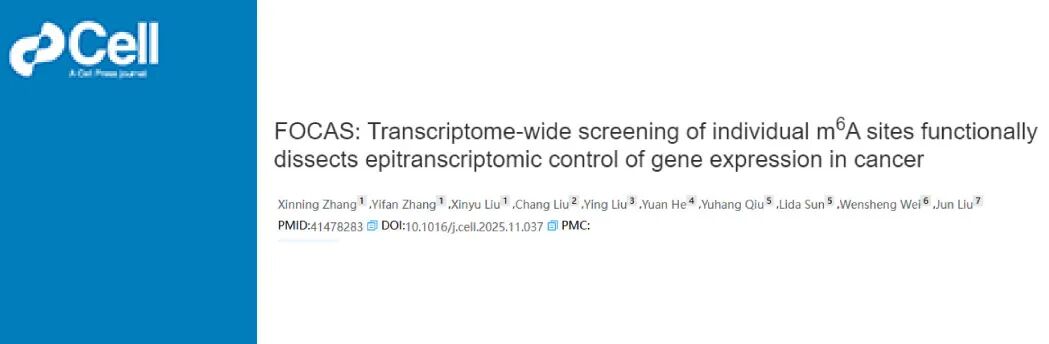
CELL [IF=42.5]
文獻(xiàn)引用產(chǎn)品:
作者單位:北京大學(xué)

摘要:Although N6-methyladenosine (m6A) is a pervasive RNA modification essential for gene regulation, dissecting the functions of individual m6A sites remains technically challenging. To overcome this, we developed functional m6A sites detection by CRISPR-dCas13b-FTO screening (FOCAS), a CRISPR-dCas13b-based platform enabling high-throughput, site-specific functional screening of m6A. Applying FOCAS to four human cancer cell lines identified 4,475 m6A-regulated genes influencing cell fitness via both mRNAs and non-coding RNAs (ncRNAs), many of which are newly linked to cancer and exhibit dynamic developmental expression. FOCAS uncovered context-dependent and reader-specific effects of m6A within the same gene, revealing its intricate regulatory logic. We further uncovered universal and cell-type-specific m6A patterns, with unique sites enriched in ncRNAs and universal ones in transcription-related genes. In SMMC-7721 cells, we identified m6A-regulated transcriptional networks that demonstrated extensive epitranscriptome-transcriptome crosstalk. Overall, this study established a powerful, unbiased approach for the functional dissection of m6A, advancing the understanding of its complexity and therapeutic relevance in cancers.
Advanced Materials [IF=26.8]

文獻(xiàn)引用產(chǎn)品:

摘要:Rheumatoid arthritis (RA) models play crucial roles in therapeutic discovery and fundamental research. However, current models have limited success at accurately simulating in vivo microenvironment and lacking intricate cellular cross-talk. Here, this work presents a human in vitro RA model that faithfully captures functional and compositional properties of cartilage and synovial lining in vivo, established with chondrocytes recellularized type II collagen scaffold and 3D-bioprinted bi-layered Gelatin-Matrigel hydrogel incorporating fibroblast-like synoviocytes (FLS) and proinflammatory macrophages in the top layer and protective barrier macrophages in the bottom layer. This synovium-cartilage system recapitulates key inflammatory processes akin to RA, including enhanced production of proinflammatory mediators and degradative enzymes, as well as reactive oxygen species generation, invasion of FLS into cartilage, phenotypic alterations of macrophages and the depletion of cartilaginous extracellular matrix components. The established model enables effective screening of anti-arthritis drugs, which is validated by leveraging celecoxib and tofacitinib. Furthermore, the transcriptomic and proteomic landscape of this model demonstrates accuracy in replicating in vivo pathological conditions. Notably, this in vitro model reflects the response of the disease to the drug compared to the rat model of RA. Overall, this study provides reliable in vitro human synovium-cartilage models for screening preclinical drugs in RA therapeutics.
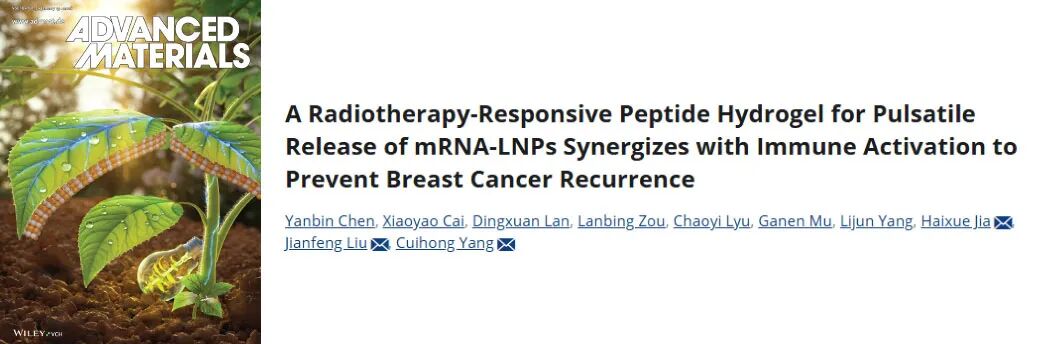
Advanced Materials [IF=26.8]
文獻(xiàn)引用產(chǎn)品:

摘要:Adjuvant radiotherapy (ART) is a widely used treatment after tumor resection to prevent tumor recurrence. A major limitation of ART is the insufficient capacity to elicit durable antitumor immunity, typically due to inadequate tumor-associated antigen supply. Although mRNA vaccines provide a promising strategy to supplement neoantigens, current delivery systems require multiple injections and lack spatiotemporal synchronization with radiotherapy. Here, a radiotherapy-responsive peptide hydrogel (NBSGel) is first presented that enables radiation-synchronized pulsatile release of mRNA-loaded lipid nanoparticles (mLNPs). NBSGel is formed by co-assembling two sulfide-modified peptides (NapS and BenS) with distinct oxidation sensitivities, yielding stepwise hydrogel disassembly under fractionated radiation. NBSGel@mLNP enables pulsatile mLNP release from a single dose, mimicking multi-injection vaccination while synchronizing antigen availability with DC recruitment. In tumor postoperative models, NBSGel@mLNP combined with ART markedly amplifies antigen-specific CD8+ T-cell responses, reduces tumor relapse by 80%, and prolongs survival, outperforming intramuscular vaccination and non-pulsatile controls. Tumor rechallenge experiment shows no tumor regrowth in the long-term surviving mice, confirming a durable anti-tumor immune memory. This work establishes a materials-guided paradigm that achieves spatiotemporal synergy between radiotherapy and mRNA-based immunotherapy through pulsatile antigen delivery, providing a clinically viable strategy for preventing postoperative cancer recurrence.
Immunity [IF=26.3]

文獻(xiàn)引用產(chǎn)品:
bs-20896R | IL28 Receptor alpha Rabbit pAb | Other
作者單位:廣州市婦女兒童醫(yī)療中心

摘要:Systemic rotavirus (RV) infection poses a substantial health challenge in neonates, but the underlying pathogenesis remains elusive. In RV-infected neonatal mice and infants with biliary atresia (BA), we discovered that persistent type I interferon (IFN-I) signaling upregulated hepcidin expression in hepatocytes and TREM2+ macrophages. This impaired SLC40A1-mediated iron excretion, leading to lipid peroxidation- and ferroptosis-mediated tissue damage. In mice deficient in Slc40a1 in myeloid cells, iron accumulation promoted RV replication and IFN-I activation in Kupffer cells. Blocking IFN-I-hepcidin signaling and iron chelation reduced RV-induced tissue damage in mice. Folic acid suppressed IFN-I-hepcidin-iron signaling in mice, and in an open-label clinical trial, folic acid supplementation in infants with BA reduced cholangitis and liver transplantation rates. Our data show that hepcidin-iron dysregulation plays a critical role in neonatal RV infection and reveal therapeutic targets for BA and other RV-related neonatal diseases. The clinical trial was registered in the Chinese Clinical Trial Registry ChiCTR2100050992.
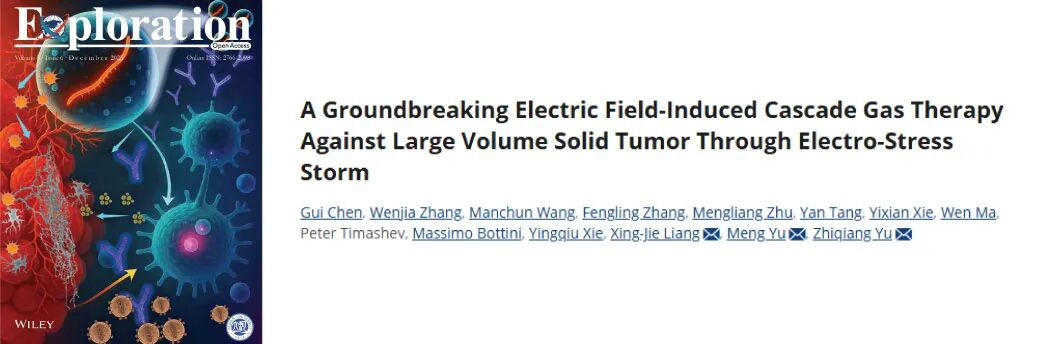
Exploration [IF=22.5]
文獻(xiàn)引用產(chǎn)品:
作者單位:南方醫(yī)科大學(xué)第十附屬醫(yī)院

摘要:Gas therapy has been limited in its application as a robust standalone antitumor strategy due to the restricted gas production and cytotoxicity. To address this challenge, we employed electrotoxic PtRu composite metal nano-berries (PR) loaded with various therapeutic gas donors to construct a groundbreaking electric field-induced cascade gas therapy (EGT) platform, which generated a great electro-stress storm at tumor sites, exerting electrotoxicity and immunity functions against solid tumors, including those of large volume, through three pathways. Initially, electric field stimulation effectively boosted the release rate and yield of therapeutic gases from the EGT platform. Further, gas molecules reacted with reactive oxygen species (ROS) to either form oxidation coordination (CO and ROS) or generate more potent therapeutic components (RNS produced from ROS and NO), contributing to an electro-stress storm that augmented the cytotoxic potential of the gas components. Subsequently, this electro-stress storm further activated the tumor immune response, identifying and capturing escaped tumor cells, which held significant implications for treating tumors, including non-solid tumors with indistinct boundaries. In summary, the EGT platform leveraged an electro-stress storm to achieve ablation of large volume solid tumors and suppressed metastatic tumors, paving new pathways for gas-based therapeutic strategies.
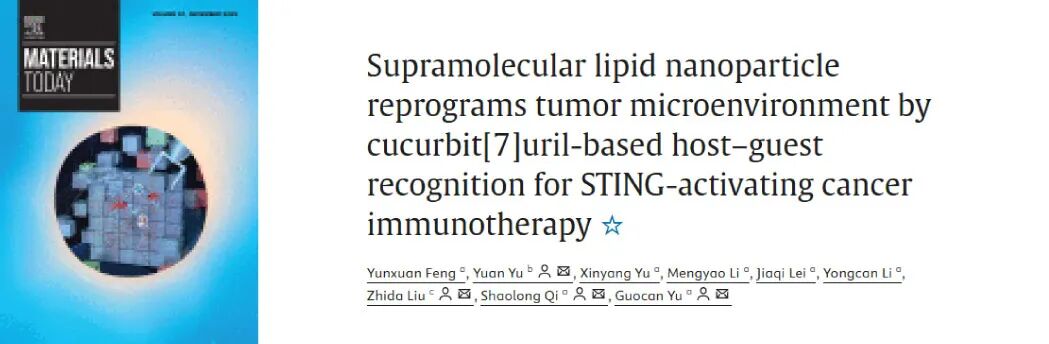
Materials Today [IF=22]
文獻(xiàn)引用產(chǎn)品:
作者單位:清華大學(xué)

摘要:Targeting cGAS-STING pathway offers opportunities for cancer immunotherapy, whereas the clinical performance in treating solid tumors remains unsatisfactory. Emerging evidence indicates that the immunosuppressive tumor microenvironment (TME) severely impedes T cell activation, proliferation and infiltration. The diminished immunogenicity of “cold tumor" complicates the cytotoxicity of T cells, and the rapid metabolism of small-molecule STING agonists accelerates their clearance, thus greatly attenuates the antitumor outcomes. Moreover, the accumulation of endogenous polyamines within tumors considerably suppresses cGAS activity and further weakens the therapeutic efficacy of STING-based immunotherapy. To address these challenges, a supramolecular lipid nanoparticle system (MC7-LNP) has been developed to reprogram the immunosuppressive TME and enhance the therapeutic efficacy of STING agonist. MC7-LNP platform simultaneously incorporates MSA-2 and copper ion through host–guest recognition and metal coordination. A modified cucurbit[7]uril-based lipid facilitates the sustained release of MSA-2 in tumor cells and restricts the function of endogenous polyamines. Concurrently, the oxidative stress induced by copper ion contributes to the formation of damaged DNA and damage-associated molecular patterns, markedly boosting the immunogenicity of tumor cells and revitalizing T cell function. In combination with mRNA encoding the immunostimulatory cytokine IL-12, this innovative supramolecular approach dramatically suppresses melanoma progression and evokes a robust cytotoxic T lymphocytes response. Our findings present a promising synergistic modality to amplify the efficacy of STING agonist-based immunotherapy through TME remodeling.
Advanced Functional
Materials [IF=19]

文獻(xiàn)引用產(chǎn)品:
作者單位:四川大學(xué)

摘要:Cardiovascular stents persistently struggle to reconcile rapid endothelialization with long-term prevention of thrombosis and restenosis. This study develops a spatiotemporally orchestrated dual-gas-releasing hydrogel coating that synchronizes H2S and NO delivery with the dynamic phases of vascular healing. The coating is fabricated by covalently grafting an alginate coating onto poly(L-lactic acid) stents via a benzophenone-mediated two-step surface photopolymerization. A thiolactivated H2S donor is anchored within the coating, while alginatechelated Cu2+ catalyzes NO generation from endogenous Snitrosothiols. An early H2S burst synergizes with NO to suppress thromboinflammation and prime a regenerative niche, while sustained NO release maintains vascular homeostasis and directs long-term remodeling. The coating reduces platelet adhesion by over 90%, virtually eliminates thrombosis in an arteriovenous shunt model, triples endothelial coverage, and suppresses smooth muscle cell proliferation by ≈73%. It also reprograms macrophage polarization, increasing the M2/M1 ratio tenfold, and reduces intracellular ROS levels by >90%. In a rabbit abdominal aorta model, the coating promotes flow-aligned endothelialization, achieving CD31+/eNOS+ coverage comparable to native tissue within 3 months, while decreasing neointimal thickness by 66% versus controls. This spatiotemporally tailored gasotransmitter delivery resolves the healing dichotomy of stents, providing a clinically translatable platform for next-generation vascular implants.
ACS Nano [IF=16]

文獻(xiàn)引用產(chǎn)品:
作者單位:英國(guó)倫敦國(guó)王學(xué)院

摘要:Exosome lipid hybrid nanoparticles (ELNs) have emerged as promising drug delivery vehicles, integrating the innate targeting capabilities of exosomes with efficient cytosolic delivery of lipid nanoparticles. However, despite growing interest, the development of ELNs for nucleic acid delivery remains a formidable challenge, compounded by diverse production methods and a lack of systematic approaches to optimize their formulation and performance. This study employed a Box-Behnken design and two fabrication methods: freeze–thaw and sonication, to optimize the formulation of ELNs derived from exosomes of five distinct cancer cells. Formulation criteria focused on maximizing the fusion efficiency while minimizing particle size. The impact of the fusion method on cellular association and gene silencing of promising therapeutic targets, CD24, CD44, and CD47, was evaluated. The optimized formulations were subsequently assessed for therapeutic efficacy in 4T1 and B16F10 tumor models. Through careful manipulation of formulation variables, we obtained optimal ELNs with fusion efficiencies exceeding 50% and particle sizes under 170 nm while preserving exosomal markers CD9, CD63, and CD81. Cellular association studies revealed that ELNs specifically targeted their parental cell line, achieving ~2.5-fold higher siRNA association compared to LNPs. Furthermore, the optimized ELNs facilitated the delivery of therapeutic siRNAs, resulting in robust gene silencing and consequently improved the in vitro macrophage-mediated phagocytosis of treated cancer cells. In vivo studies using 4T1 and B16F10 tumor models highlighted the enhanced therapeutic potential of the optimized ELNs, as evidenced by significant tumor targeting and growth inhibition. These findings underscore the importance of systematic formulation and method optimization in advancing ELNs as effective nucleic acid delivery platforms for cancer therapy.
ACS Nano [IF=16]

文獻(xiàn)引用產(chǎn)品:
作者單位:濟(jì)南大學(xué)

摘要:Heteroatom coordination in single-atom nanozymes is considered a promising strategy to promote their enzyme-like performance, but the proximity effect of active metal sites and heteroatoms on their catalytic efficiency is still elusive. Herein, we demonstrate that the enzyme-like performance of phosphorus-coordinated cobalt single-atom nanozymes (CoN4–xP1, x=0,1) exhibits a strong dependence on the atomic distance between the Co site and the coordinated P atom (Co–P dual site), where the activity continuously improves with decreasing Co–P distance. Theoretical calculations reveal the proximity effect of the Co–P dual site in optimizing the oxygen adsorption/desorption energy and rate-determining step barrier. Guided by this principle, we synthesize a series of CoN4–xP1 nanozymes with different Co–P dual-site distances and show that CoN3P1 nanozymes with direct Co–P coordination exhibit superior catalytic efficiency. In-situ electron paramagnetic resonance spectroscopic (EPR) studies unveil that the phosphorus coordination could switch oxygen activation from a nonradical to hybrid radical/nonradical pathway, enabling efficient reactive oxygen species generation. As a potential application, the optimal CoN3P1 nanozymes with superior oxidase-like activity are successfully applied to the colorimetric-photothermal dual-mode enzyme-linked immunosorbent assay of neuron-specific enolase. The present study highlights the importance of the proximity effect in heteroatom-coordinated single-atom nanozymes and provides insights into the strategic engineering for high-performance nanozymes.
 網(wǎng)站首頁(yè)
